An independent guide46°11′N to 42°50′N
Eleven lights on the edge of Oregon
Nine towers, one ship and one station that burned. Their keepers, their lenses and their wrecks, and what you will find at each of them if you drive the coast this year.
Each lit mark flashes in the real pattern of its light. Rings are lights that have gone dark.
Oregon lit its coast late and quickly. The first lamp went on at the mouth of the Umpqua River in 1857, in a tower that fell down seven years afterward. By 1896, when the keeper at Bandon wound his fog trumpet for the first time, every river bar and bad headland from the Columbia to Cape Blanco had a light, and a ship could run the length of the state from one light to the next.
The men and a few women who kept them hauled oil up spiral stairs, wound clockwork through the night, logged earthquakes and wrecks, and raised families a day's ride from a doctor. Their names are in the keeper roster. The towers they tended have since been burned by the Army, sold to Las Vegas investors, shot at, robbed of their lenses, handed back to the tribes whose land they stood on and, in most cases, patiently repaired.
This guide tells each of those stories in full and then gets practical: who manages the place now, how far up you are allowed to go, where to stand for the photograph, and what else is worth your time on that headland.
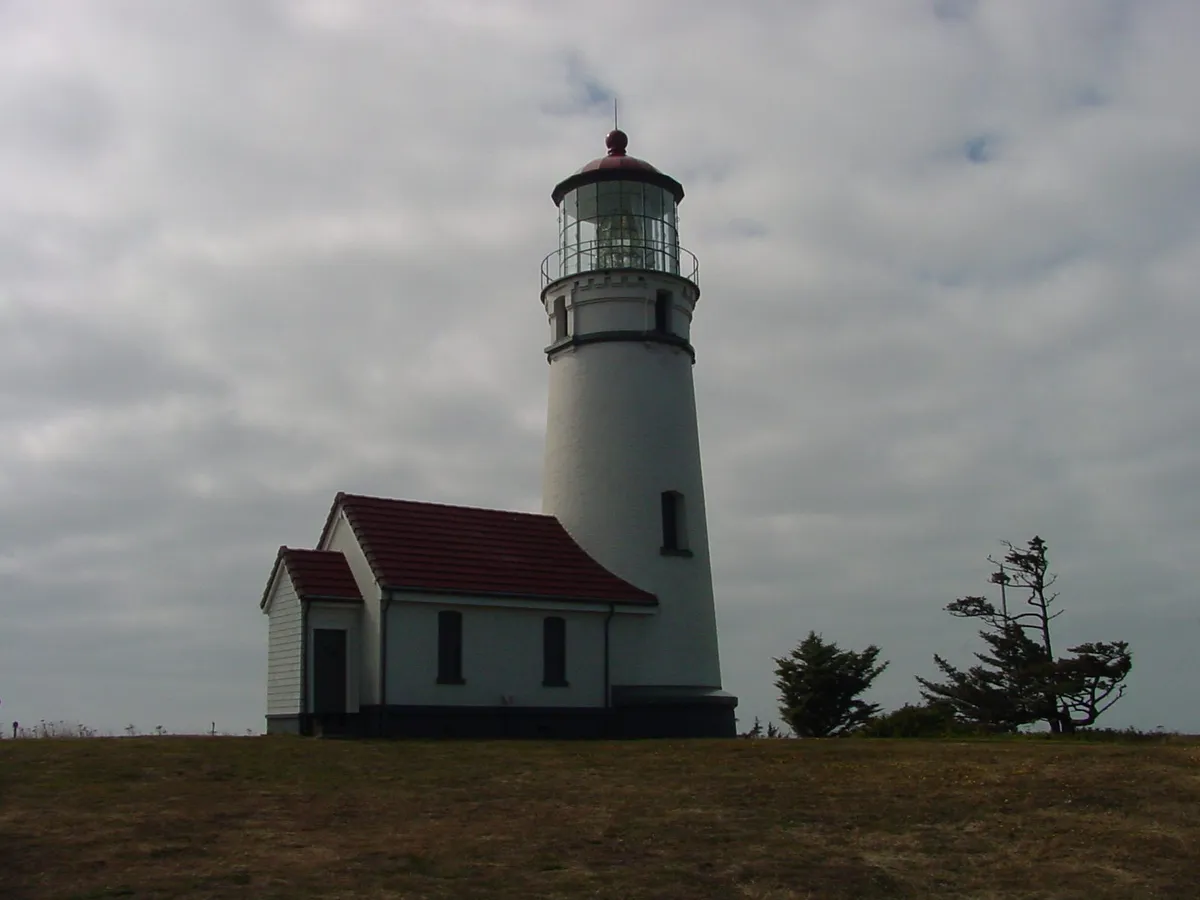
The Light List
North to south, as a ship would raise them
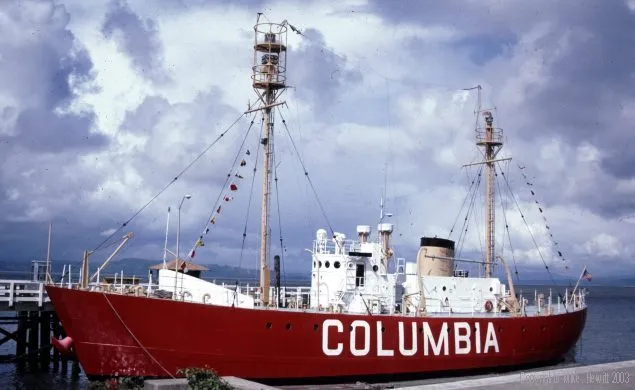 Astoria
Columbia River Lightship
A red lighthouse that floated. WLV-604 rode anchor off the Columbia bar from 1951 to 1979 and now ties up at the maritime museum in Astoria.
46°11′N
Warrenton
Point Adams Lighthouse
A redwood lighthouse on the sand south of the Columbia. It was lit in 1875, switched off in 1899 and burned on Army orders in 1912.
45°56′N
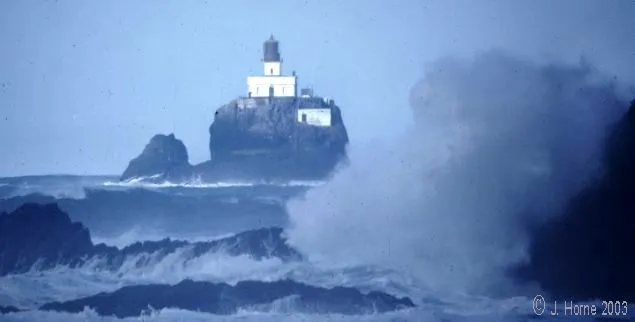 Cannon Beach
Tillamook Rock Lighthouse
"Terrible Tilly" sits on a bare basalt rock 1.2 miles off Tillamook Head. It took 575 days to build and has been dark since 1957.
45°29′N
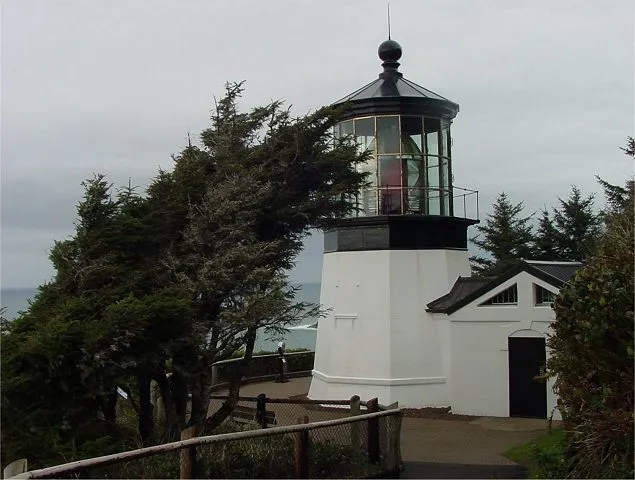 Oceanside
Cape Meares Lighthouse
Oregon's shortest lighthouse, an iron-plated tower 38 feet tall on a 200-foot cliff, with a first order lens that has been robbed, shot at and patiently mended.
44°41′N
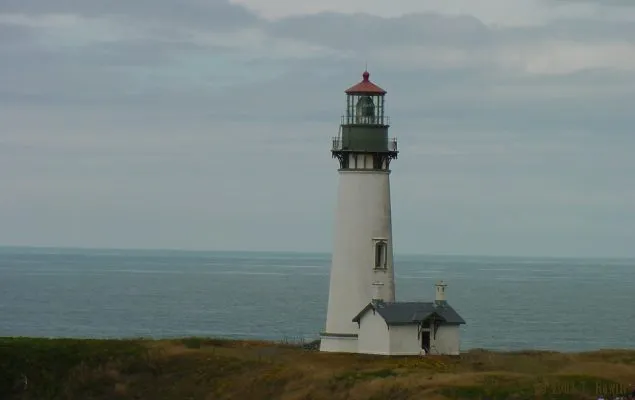 Newport
Yaquina Head Lighthouse
Oregon's tallest lighthouse, 93 feet of brick on a basalt headland north of Newport, still showing its 1868 lens over tide pools and seabird rocks.
44°37′N
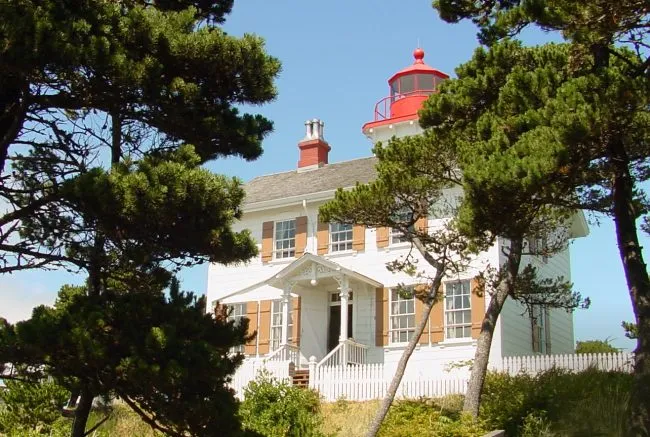 Newport
Yaquina Bay Lighthouse
A wooden house with a lantern on the roof, lit for less than three years in the 1870s. It is Newport's oldest building, and its light is on again.
44°08′N
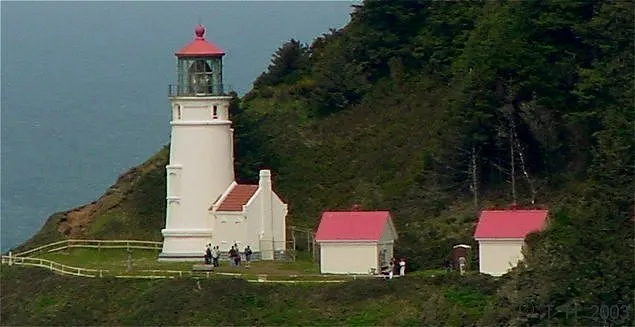 Florence
Heceta Head Lighthouse
The strongest light on the Oregon coast, set halfway up a forested headland north of Florence, with the keepers' house still standing below it.
43°40′N
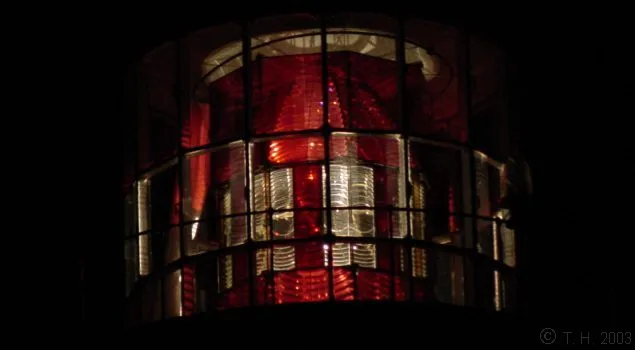 Winchester Bay
Umpqua River Lighthouse
Oregon's first lighthouse stood here in 1857 and fell down seven years later. Its 1894 successor throws red and white beams over Winchester Bay every night.
43°20′N
 Coos Bay
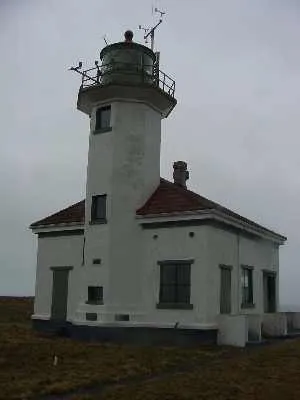
Cape Arago Lighthouse
The third lighthouse on Chief's Island near Charleston, a concrete tower of 1934. Dark since 2006, it stands on tribal land and is seen from the shore road.
43°07′N
 Bandon
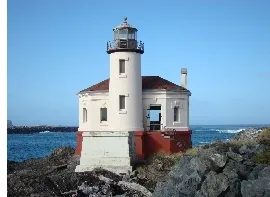
Coquille River Lighthouse
The last lighthouse built on the Oregon coast, a stubby tower and fog-signal room on the north jetty at Bandon, reached through Bullards Beach State Park.
42°50′N
 Port Orford
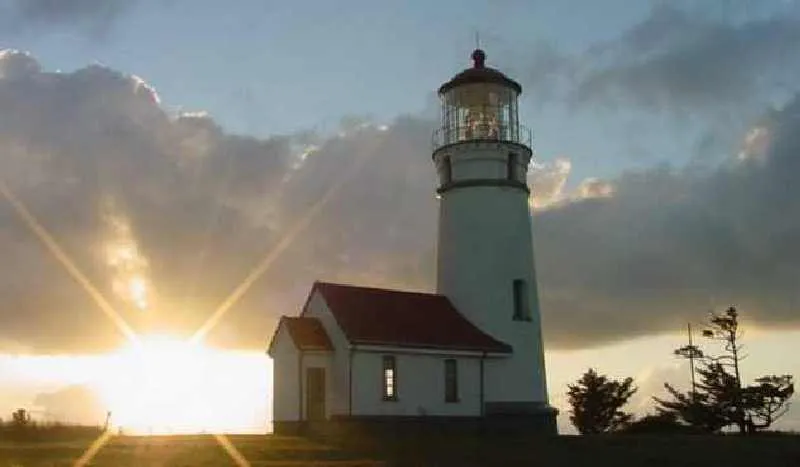
Cape Blanco Lighthouse
Oregon's oldest standing lighthouse, on its westernmost point. The light has turned above the Blanco reef since 1870, and two keepers gave it eighty years between them.
For the record
Six superlatives, all checkable
- Tallest tower
- 93 ftYaquina Head, 114 steps of it
- Highest light
- 245 ftCape Blanco, above the sea
- Oldest standing
- 1870Cape Blanco, lit December 20
- Shortest tower
- 38 ftCape Meares, on a 200-foot cliff
- Last one built
- 1896Coquille River, lit on leap day
- Hardest to build
- 575 daysTillamook Rock, a mile offshore
Planning
All eleven in three days
Highway 101 passes within a few miles of every light. Three days is comfortable. Two is possible if you skip the museums, and you should not skip the museums.
-
Day one
Astoria to Tillamook
Board the lightship in Astoria. Walk Battery Russell at Fort Stevens, where Point Adams stood. Look out at Tillamook Rock from Ecola, then follow the Three Capes road to Cape Meares before the light goes.
-
Day two
Newport to Florence
Yaquina Head in the morning for the tide pools, Yaquina Bay after lunch for the keeper's house. Drive south over Cape Perpetua and reach Heceta Head for the late light on the headland.
-
Day three
Winchester Bay to Port Orford
Tour the Umpqua River tower. Stop at the Cape Arago pullout beyond Sunset Bay. Drive the spit to the Coquille River light at Bandon, and finish in the wind at Cape Blanco.
Also in this guide
Keepers, repairs and a logbook for young readers
The keepers
A roster of about 160 keepers and assistants, census notes on their families and the memories of people who grew up at Cape Blanco.
Preservation
Scaffolding, lead paint and a lens taken apart and rebuilt: how Blanco, Meares, Yaquina Head and Coquille River were repaired.
Junior Keeper
Three chapters told by Keeper Michael, a word puzzle to print and a signal to decode.
Who runs the lights
State parks, a federal bureau, a county, a museum, a tribal confederation and one private owner. Whom to ask about what.
Short answers
Before you set out
- How many lighthouses are there on the Oregon coast?
- Nine historic lighthouse towers still stand, from Tillamook Rock in the north to Cape Blanco in the south. This guide also covers the lost station at Point Adams and the Columbia River lightship, which makes eleven. Two small private lights of modern date, at Cape Perpetua and at Brookings, are not historic stations and are not open to the public.
- Which Oregon lighthouses can you go inside?
- In season you can enter Cape Meares, Yaquina Bay, the Umpqua River tower on a guided tour, the signal room at Coquille River and the lightship in Astoria. Heceta Head, Yaquina Head and Cape Blanco have limited their visits to ground level in recent years while stairs and towers await repair. Tillamook Rock and Cape Arago are closed and are seen from the shore.
- Which of them still show a light?
- Five: Yaquina Head, Yaquina Bay, Heceta Head, Umpqua River and Cape Blanco. The lens at Heceta Head stopped turning in the spring of 2026 pending repairs to its drive gear, so check before you count on seeing that one. The lamp in the Coquille River tower is ornamental.
- When is the best time to visit?
- From late spring to early autumn, when volunteers are on duty and most of the buildings are open. Winter brings storms, empty viewpoints and migrating gray whales in late December and again in late March, but many of the doors are locked.